Soup Needs a Spine: Three Cheap Additions That Turn a Bowl Into Lunch
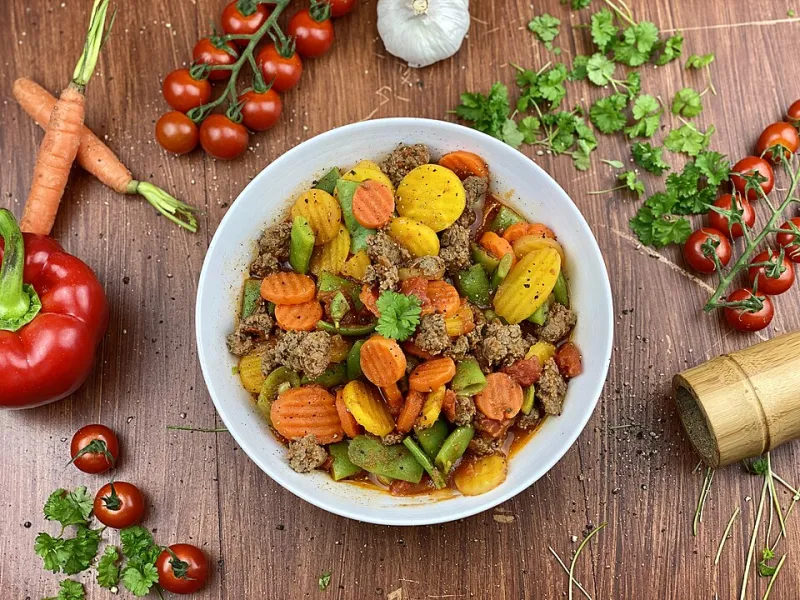
Photo: FitTasteTic, CC BY-SA 2.0, via Wikimedia Commons
There is a particular kind of winter disappointment that comes from finishing a bowl of soup at your desk, feeling warm and virtuous for about forty minutes, and then finding yourself standing in front of the fridge at three o'clock with no memory of how you got there. It is not a character flaw. It is a structural problem. Most of what we call soup in the UK — the cartons, the tins of tomato, the blended veg you made on Sunday — is mostly water with some vegetables dissolved in it. Lovely, but it does not hold a working afternoon together.
The fix is not to spend your lunch hour cooking. It is to treat soup as a base rather than a finished meal, and to add three things it is usually missing: a proper amount of protein, some fibre you can actually chew, and a little fat. Do that and the same bowl goes from starter to lunch, without a recipe in sight.
First, why the carton leaves you hungry
A standard supermarket carton of vegetable or tomato soup is often somewhere between 150 and 250 calories for the whole thing, with very little protein and almost nothing to chew. Smooth soup also disappears quickly, so your body registers it more like a drink than a meal. That is not a wellness slogan, it is just how fullness works: liquid empties from the stomach faster, and chewing is part of the signal that tells your brain you have eaten.
None of this means the carton is bad. It means the carton is a supporting act. The spine comes from what you put in it.
Addition one: protein that lives in the cupboard
The cheapest, least fussy option is a tin. Chickpeas, butter beans, lentils, cannellini — all of them work in almost any soup, they keep for years, and a half-tin is a sensible portion. Rinse them and tip them in while the soup heats. If you want something less bean-shaped, a handful of frozen prawns dropped into a tomato or chilli soup for the last two minutes is quick and cheap, and a boiled egg halved on top of a noodle or veg soup is about as low-effort as cooking gets.
Leftover roast chicken, a spoonful of Greek yogurt stirred through at the end, or a small tin of tuna in a chunky vegetable soup all do the job too. The point is not a specific food. It is getting roughly 15 to 25 grams of protein into the bowl, because that is the rough territory where a lunch starts to feel like it will last until tea.
Addition two: fibre you can chew
Here is where soup gets interesting. A blended soup gives you very little to bite on, and biting is underrated. Add something with texture and you slow the whole meal down.
Pearl barley is the quiet hero of this category. A small handful — about 30 grams dry — added to a soup and simmered for twenty minutes thickens it and turns it into something closer to a stew. Porridge oats do a similar job in a pinch, though they go soft quickly. Frozen mixed veg, sweetcorn or peas are the laziest option and still count. A slice of wholemeal or seeded bread on the side is legitimate, especially if it is proper bread rather than the squishy white stuff that dissolves on contact.
If you already have soup in the fridge, cook a small portion of barley or pasta separately and keep it in a tub. Stir it in when you reheat, so it does not turn to mush overnight.
Addition three: a little fat, on purpose
A teaspoon or two of olive oil drizzled over the bowl before you eat does more for a soup than most people expect — it carries flavour, adds a bit of body, and helps with fullness. A grating of cheddar or a spoon of crème fraîche works in the right soup. Toasted seeds, a few walnuts, or a swirl of tahini do the same job with more crunch.
This is the addition people skip because it feels like a luxury. It is not. It is a teaspoon of oil. The difference is that the bowl stops tasting like hot vegetable water and starts tasting like a meal you chose.
Three working-day combinations that actually work
- Monday desk lunch: carton of tomato and basil soup, half a tin of rinsed chickpeas, a drizzle of olive oil, one slice of seeded wholemeal. Roughly five minutes including the kettle.
- Midweek leftover job: Sunday's blended carrot and lentil soup, a handful of frozen peas, a boiled egg on top, black pepper. Substantial enough that you will not want biscuits at four.
- Cold-day shop-bought fix: tin of chicken and vegetable soup, 30g pearl barley simmered in it, a small handful of frozen sweetcorn, grated cheese at the end. Ten minutes, most of it waiting.
A simple portion guide
For a lunch that holds, aim for a bowl of roughly 350 to 450ml of soup, plus:
- Protein: a half-tin of beans or lentils, one to two eggs, a small handful of cooked chicken or prawns, or a generous spoon of yogurt.
- Fibre: 30g dry barley or pasta, a big handful of frozen veg, or one slice of wholemeal or seeded bread.
- Fat: one to two teaspoons of olive oil, a small grating of cheese, or a spoon of seeds.
That is not a strict formula. It is a rough shape, and it will get you much closer than a carton on its own. If you are tall, active, or doing physical work, lean towards the top end. If you are smaller or eating earlier, a bit less is fine.
The bit people forget
Soup eaten at a desk, in front of a screen, in eight minutes flat, will not fill you up no matter what you put in it. If you can manage ten minutes away from the monitor — even at the kitchen table with the radio on — the same bowl does more work. That is not a lecture about mindful eating. It is just that lunch is easier to notice when you are actually there for it.
So: keep the carton. Keep the Sunday blend. Just give it a spine. A tin of beans, a handful of barley and a slug of olive oil cost very little and take almost no time, and they are the difference between a starter you eat at your desk and a lunch that sees you through to tea.